Stanford Rare Disease AI Hackathon
The rare disease hackathon I co-designed at Stanford — small, mixed teams handed one real diagnostic case and 48 hours to raise the standard of care.
In 2022, when I was an ML scientist at Stanford, my best friend Michael Brooks and I architected the Rare Disease AI Hackathon from the ground up. We were both rare disease patients ourselves — two people who knew, firsthand, what it costs to be a case the system doesn’t know how to solve. So we started from a question instead of a plan: where, exactly, could a room full of the right people change what happens next for someone waiting on a diagnosis?
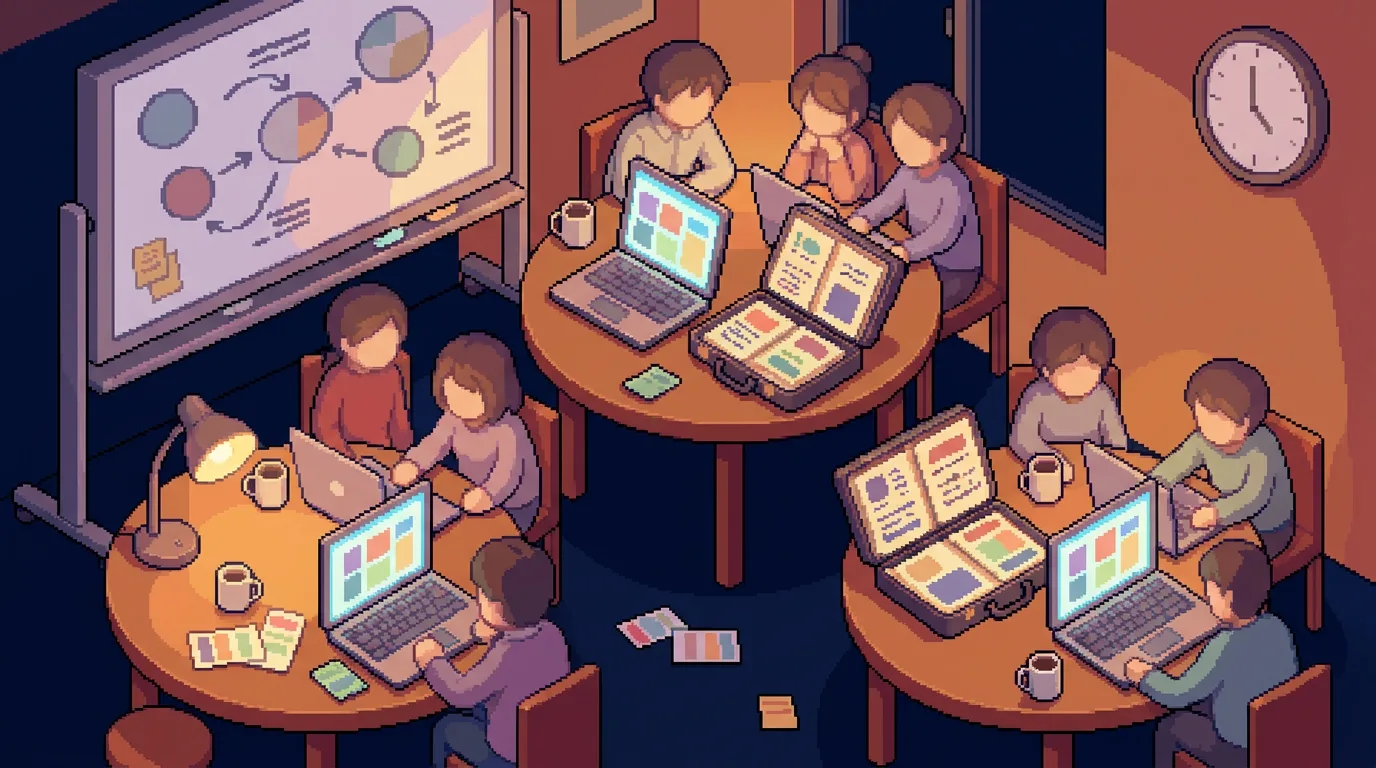
The format was almost embarrassingly plain. Find the physician heroes doing the near-impossible work of rare disease diagnosis, walk up, and ask, “How can I help?” Then assemble a small, mixed team — a clinician, a geneticist, an ML scientist, a patient — hand them one real case, and give them 48 hours. Not a conference. Not a pitch competition. A real person on the other end of the work, and a clock.
The teams stayed small on purpose. When you put a patient, a clinician, and an engineer at one table, each of them sees something the other two can’t — and 48 hours keeps everyone honest about what actually helps versus what merely sounds impressive. Partners have included Roche, HuggingFace, OpenAI, and The Rare Care Center; across events, hundreds of engineering volunteers have turned up to spend a weekend on a stranger’s hardest problem.
I don’t want to overstate the outcomes. The research those weekends seeded is ongoing, not a shelf of published papers. What the hackathon proved is smaller and more durable than any single result: that the people closest to a problem, given the right teammates and a little time, find things no one of them could find alone. That’s an idea you can carry anywhere.
The hackathon came out of Research to the People at Stanford. Michael passed away from his own undiagnosed genetic disease — but the way we built that room, with patients at the center and everyone asking “How can I help?”, is one of the things of his that I carry into everything I build now.